
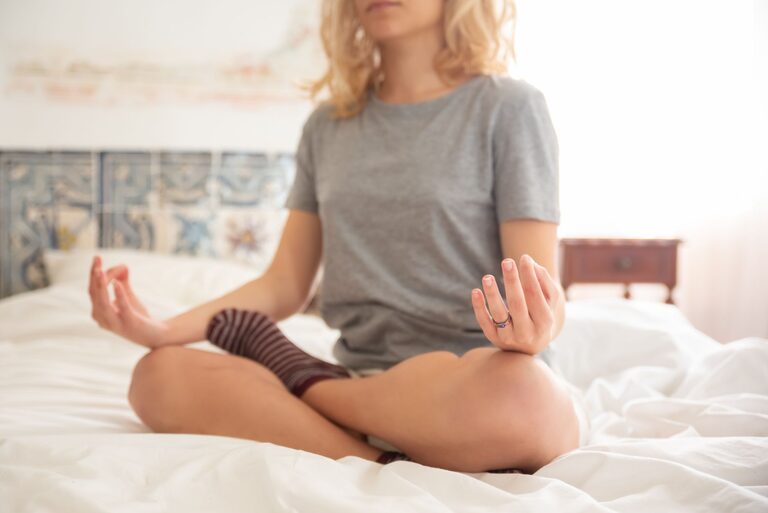
Mindfulness has become a popular way to bring calm and clarity into our busy lives. At its core, mindfulness is about paying attention to the present moment with openness and without judgment. The good news is that you don’t need special equipment or hours of practice to benefit from mindfulness. Small, simple practices integrated into your day can make a big difference.
In this post, we’ll explore easy mindfulness practices that you can try anytime, anywhere to create a more peaceful and focused daily experience.
What is Mindfulness?
Mindfulness means being fully aware of what’s happening right now. Instead of getting caught up in worries about the future or regrets from the past, mindfulness encourages you to observe your thoughts, feelings, and sensations as they occur. This awareness helps reduce stress and promotes emotional balance.
You don’t need to meditate for hours or retreat to a quiet place. Mindfulness can be practiced in everyday moments, like during a meal, while walking, or even washing dishes.
Benefits of Mindfulness Practice
Incorporating mindfulness into your daily routine can bring several benefits, including:
– Reducing stress and anxiety
– Improving concentration and memory
– Enhancing emotional regulation
– Increasing self-awareness
– Promoting better sleep
– Supporting overall mental wellbeing
With regular practice, these benefits tend to grow stronger over time.
Simple Mindfulness Practices for Daily Life
Here are some straightforward mindfulness exercises that anyone can try.
1. Mindful Breathing
Focusing on your breath is one of the easiest ways to bring yourself back to the present.
How to practice:
– Sit or stand comfortably.
– Close your eyes if you like.
– Take a slow, deep breath in through your nose.
– Notice the air filling your lungs and the rise of your chest or belly.
– Slowly exhale through your mouth or nose.
– Repeat for 1 to 5 minutes, paying close attention to each breath.
When your mind wanders, gently bring your focus back to your breathing without judgment.
2. Body Scan
A body scan helps you tune into physical sensations and release tension.
How to practice:
– Sit or lie down in a quiet space.
– Close your eyes and take a few deep breaths.
– Slowly shift your attention through your body, starting at your toes and moving up to your head.
– Notice any areas of tension, warmth, or relaxation.
– Don’t try to change anything; just observe.
This practice encourages relaxation and greater body awareness.
3. Mindful Eating
Eating mindfully helps you enjoy your food more and can improve digestion.
How to practice:
– Before eating, take a moment to appreciate the colors, smells, and textures of your food.
– Take small bites and chew slowly.
– Notice the flavors and sensations in your mouth.
– Put your fork down between bites to avoid rushing.
– Pay attention to feelings of fullness or satisfaction.
This simple habit can help you build a healthier relationship with food.
4. Walking Meditation
You can practice mindfulness on the move.
How to practice:
– Choose a quiet path or walk slowly in place.
– Focus on the feeling of your feet touching the ground.
– Notice each step, the shifting of weight, and muscle movements.
– Observe your surroundings — sights, sounds, and smells — without getting lost in thoughts.
Walking meditation combines gentle exercise with mindfulness benefits.
5. Mindful Listening
Listening deeply can improve your relationships and your mental focus.
How to practice:
– When someone is speaking, give them your full attention.
– Avoid interrupting or planning what to say next.
– Notice the tone, pace, and emotions behind their words.
– If you notice your mind wandering, gently bring it back to the conversation.
This practice helps cultivate empathy and presence.
Tips for Integrating Mindfulness into Your Routine
– Start small: Begin with just a few minutes a day and gradually increase the time.
– Use reminders: Set alarms or notes to prompt you to pause and practice.
– Be consistent: Try to practice mindfulness daily, even if only briefly.
– Be patient: It’s normal for your mind to wander; kindness to yourself is key.
– Combine with hobbies: Bring mindfulness to activities you already enjoy, like gardening or drawing.
Mindfulness Apps and Resources
If you want guided support, many apps offer free and paid mindfulness exercises, including:
– Headspace
– Calm
– Insight Timer
– Simple Habit
These tools can provide structure and variety as you build your practice.
Final Thoughts
Mindfulness doesn’t require a big time commitment or special skills. By weaving simple practices into your daily life, you can reduce stress and boost your overall wellbeing. Try one or two of the exercises above and notice how they affect your mood and focus. With gentle consistency, mindfulness can become a powerful tool for living more fully and peacefully.
Remember, the key is to be kind and patient with yourself as you explore these new habits. Enjoy the journey of becoming more present every day.