
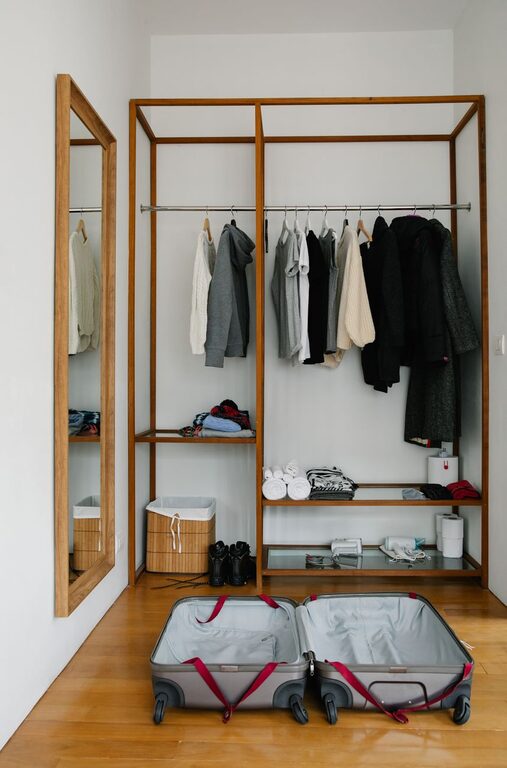
Storing seasonal clothes efficiently is a smart way to keep your home organized and make dressing easier throughout the year. When the seasons change, swapping out your wardrobe can feel overwhelming without a plan. Proper storage not only saves valuable space but also protects your clothes from damage and keeps them fresh. In this post, we’ll walk you through practical steps and creative ideas for storing your seasonal clothes efficiently.
Why Efficient Seasonal Clothes Storage Matters
Storing seasonal apparel properly:
– Maximizes closet and storage space
– Protects clothes from dust, pests, and wrinkles
– Makes wardrobe transitions smoother
– Helps you easily find what you need when the weather changes
Whether you live in a small apartment or a spacious house, these tips can help you keep your clothing organized and in great condition.
Steps to Prepare Clothes for Seasonal Storage
Before storing your clothes away, some preparation is necessary to ensure they stay clean and damage-free.
1. Clean Everything Thoroughly
Always wash or dry-clean your clothes before putting them in storage. Stains and dirt can set over time and become harder to remove. Plus, clean clothes are less likely to attract insects and pests.
2. Repair and Mend
Check for loose buttons, missing hooks, or small tears. Fixing these before storage prevents further damage and saves you time when you wear the items again.
3. Dry Completely
Make sure all clothes are completely dry to avoid mold and mildew growth during storage.
Choosing the Right Storage Solutions
The containers and methods you use can make a big difference in how well your clothes stay preserved.
1. Use Breathable Storage Bags or Boxes
Unlike plastic bins that trap moisture, breathable storage bags made from cotton or linen allow air circulation while protecting clothes from dust. Avoid vacuum-sealed bags for delicate fabrics, as they can compress and damage fibers.
2. Clear Plastic Bins for Durable Items
For heavy and durable items such as jeans, coats, or boots, clear plastic bins with tight-fitting lids work well. They keep pests out and allow you to see the contents easily.
3. Use Storage Bins with Dividers
If you have many small items like scarves, gloves, or hats, bins with dividers keep things neat and accessible.
4. Label Everything
Label containers clearly with the type of clothes or the season they belong to. This makes it easy to find what you need without rummaging through everything.
How to Store Different Types of Clothes
Different fabrics and clothes require unique handling to maintain their shape and quality.
1. Knitwear and Sweaters
Fold sweaters neatly; avoid hanging them as it can stretch the fabric. Store them in breathable bags or stack them in bins with acid-free tissue paper between each layer to prevent pilling.
2. Dresses and Coats
Use sturdy hangers for heavier items like coats. For long-term storage, cover them with breathable garment bags to protect from dust and light.
3. T-Shirts and Casual Wear
T-shirts and casual tops can be folded and stored in bins or drawer organizers. Make sure they’re clean and dry before storing.
4. Delicate Fabrics
Silk, lace, and other delicate fabrics should be stored away from direct sunlight and moisture. Lay them flat or fold them carefully with acid-free tissue paper.
Maximizing Space in Your Storage Area
When dealing with limited space, efficiency is key.
1. Use Vertical Space
Stack bins and boxes vertically to save floor space. Consider shelving units to keep storage organized and accessible.
2. Use Under-Bed Storage
Under-bed containers are perfect for seasonal clothes. They keep items out of sight but within easy reach.
3. Utilize Vacuum Bags Wisely
Vacuum bags reduce volume by compressing clothes but should be used cautiously. They work well for bulky items like comforters but not for delicate fabrics.
4. Roll Clothes When Possible
Rolling clothes instead of folding can save space and reduce wrinkles.
Tips to Keep Clothes Fresh During Storage
To ensure your seasonal clothes remain fresh:
– Add natural moisture absorbers like cedar blocks or lavender sachets to repel moths and keep a pleasant scent.
– Avoid using chemical mothballs as they can be harmful and leave odors.
– Air out stored clothes every few months by opening containers briefly to exchange fresh air.
Final Thoughts
Efficiently storing seasonal clothes doesn’t have to be complicated. A little preparation, the right storage tools, and careful organization can help you protect your wardrobe and make seasonal changes hassle-free. By implementing these tips, you’ll enjoy a clutter-free closet and have your favorite outfits ready when the season comes around again.
Happy organizing!